
Why Your Pet Acts Different After a Day Away From Home (and Why That’s Normal)
You bring your pet home after a stay away from home. Maybe your dog crashes on the floor and sleeps like they just ran a marathon. Maybe your cat gives you a long look, then disappears into another room. Sometimes they’re extra cuddly. Other times, they seem distant.
If you’ve ever wondered, “Is this normal?”, the answer is yes. Very normal.
Pets often act a little differently after time away from home, even when that time was positive, enriching, and well cared for. The change doesn’t mean something went wrong. In most cases, it simply means your pet is processing their experience and settling back into familiar routines.
Understanding what’s happening can ease worry and help you support your pet during that transition.
Why Your Pet Acts Different After a Day Away From Home (and Why That’s Normal)
Pets Experience the World Through Sensation, Not Reflection
The Most Common Reaction: Extra Sleep
Why Routine Matters More Than Reassurance
Behavior Changes Don’t Equal Bad Habits
How Dogs and Cats Experience Time Away Differently
The Importance of the First Evening Home
Pets Experience the World Through Sensation, Not Reflection
People tend to process experiences by talking them through or mentally replaying events. Pets don’t do that. Dogs and cats process experiences through their bodies, their nervous systems, and their routines.
Time away from home, whether it’s daycare, boarding, or even just a long day out, brings new sounds, smells, movement, and patterns. Even enjoyable experiences require energy. That energy has to be released somewhere, and often, it shows up after your pet gets home.
This is why behavior changes don’t automatically signal stress or unhappiness. They usually signal an adjustment.
Your pet isn’t replaying the day and judging it. They’re simply recalibrating.
The Most Common Reaction: Extra Sleep
One of the most frequent post-daycare or post-boarding behaviors is sleep. Lots of it.
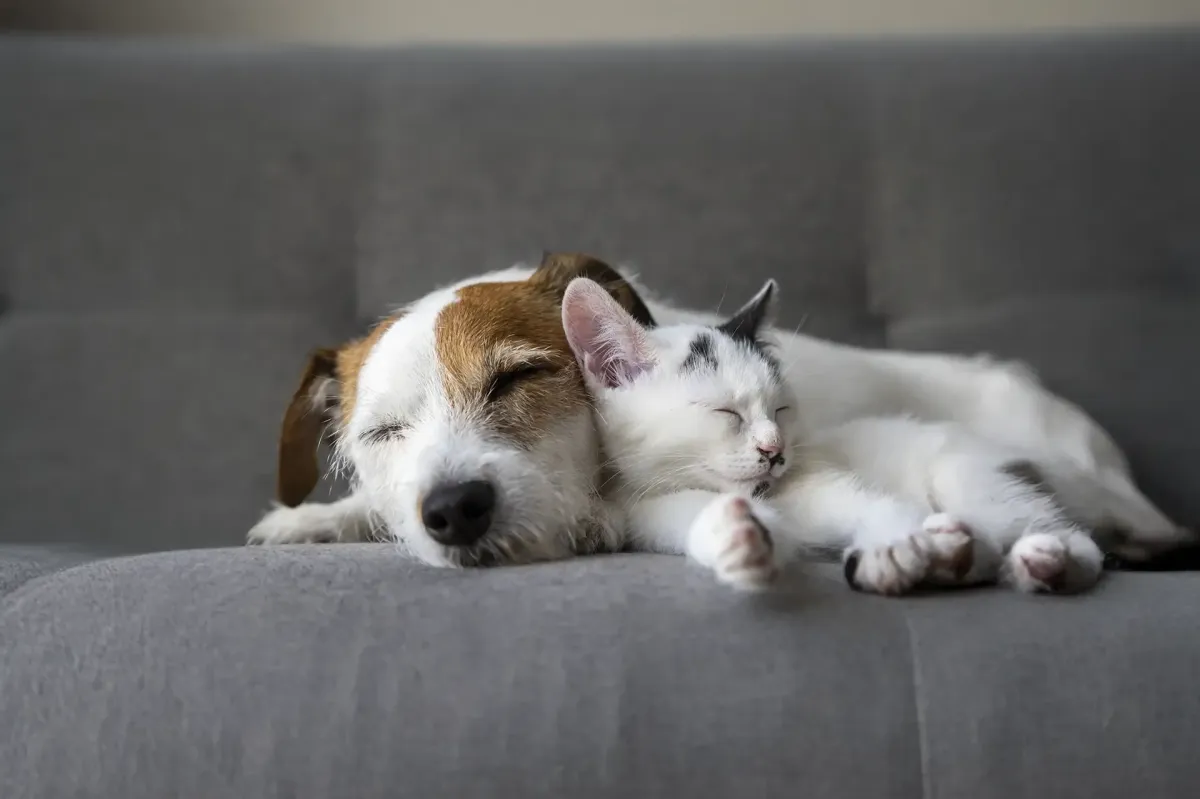
Dogs, especially, tend to sleep deeply after days filled with play, social interaction, and mental engagement. Cats may also sleep more than usual, particularly if they spent time in a new environment that required them to stay alert and observant.
This kind of sleep is restorative. It helps the brain and body reset.
If your pet comes home and naps more than usual, it’s often a sign that they were engaged, not overwhelmed. Mental stimulation can be just as tiring as physical activity, sometimes more so.
When Pets Seem Extra Clingy
Some pets come home and stick close. Dogs may follow you from room to room. Cats may sit beside you when they usually keep their distance.
This isn’t always separation anxiety or insecurity. Often, it’s reconnection.
After time spent in a different environment, familiar sights, sounds, and smells bring comfort. Being near you helps your pet reestablish their sense of “normal.”
In most cases, this extra affection fades naturally once routine settles back in.
When Pets Want Space Instead
The opposite reaction is just as common.
Some pets return home and seek quiet. They retreat to familiar spots, nap alone, or engage less than usual for a short period.
This behavior doesn’t mean your pet is upset with you or unhappy about their care. It usually means they’re decompressing.
Just like people sometimes need silence after social events, pets may need solitude to reset. Allowing them that space actually helps them settle faster.
Why Routine Matters More Than Reassurance

When pets come home after time away, owners often want to compensate with extra treats, extra attention, or special activities. While well-intentioned, this can sometimes slow adjustment.
Routine is what truly grounds pets.
Feeding at normal times, sticking to familiar walking schedules, and maintaining usual bedtime habits all communicate safety. Routine tells your pet that everything is back where it belongs.
Comfort comes from predictability more than novelty.
Behavior Changes Don’t Equal Bad Habits
It’s easy to worry that daycare or boarding will “undo” training or create new habits. In reality, most post-care behavior changes are temporary.
A little extra excitement, fatigue, or independence usually fades within a day or two.
Lasting behavior patterns form through repetition over time, not single experiences. One stay away from home doesn’t rewrite your pet’s personality.
Giving your pet time to settle before judging behavior makes a big difference.
How Dogs and Cats Experience Time Away Differently
Dogs are social animals. Many thrive on structured interaction, play, and group environments. For them, time away often meets social and mental needs that are hard to replicate during busy workweeks.
The result is often a calm, satisfied dog who sleeps well afterward.
Cats, on the other hand, value control and predictability. New environments require them to stay alert, even when care is gentle and attentive. That alertness takes energy.
When cats return home, familiar territory allows them to relax fully. That relaxation can look like long naps or temporary independence.
Both responses are healthy.
The Importance of the First Evening Home
The hours after your pet returns home matter.
Keeping the environment calm helps your pet transition smoothly. Avoid over-stimulating them with visitors, loud activity, or changes to routine. Let the evening feel ordinary.
That sense of “nothing special is happening” helps your pet settle faster than excitement does.
The Day After: What to Expect
The day after daycare or boarding is when many owners notice behavior shifts most clearly.
Your pet may:
Sleep more
Seek more affection
Prefer quiet
Act slightly out of sync
This usually resolves on its own within a day or two.
Follow your pet’s cues while maintaining structure. If they’re tired, keep walks shorter. If they want closeness, offer it without forcing interaction.
Balance is key.
When to Look Closer
Most post-care behavior changes are temporary. A few signs deserve attention if they persist beyond a couple of days.
Prolonged loss of appetite, extended withdrawal, or signs of physical discomfort should be addressed.
Trust your instincts, but also give your pet time to adjust before assuming something is wrong.
Why the Quality of Care Makes a Difference
Not all care experiences feel the same to pets.
Environments with predictable routines, attentive supervision, and thoughtful structure tend to support smoother transitions home. When pets feel secure while away, returning home feels like a continuation, not a shock.
Good care doesn’t just support pets while they’re there. It supports how they feel afterward.
Supporting Your Pet From Drop-Off to Pick-Up
If you want your pet’s time away from home to feel structured, comforting, and easy to transition from, Furry Pet Resort offers boarding and daycare designed around predictable routines, attentive care, and environments that support pets before, during, and after their stay.