

New Year’s Resolutions You Can Do With Your Pet
The New Year feels like a new notebook. Fresh pages. Clear margins. Space to write habits that last longer than January. You already set goals for yourself, so why stop there? Your pet lives inside your routines. When you reset your habits, your pet feels the change.
Here’s what you need to know: pets do not need grand gestures. They need consistency, structure, and care that fits their bodies and minds. The resolutions below focus on shared habits you can keep all year. No extremes. No guilt. Just progress you can see.
New Year’s Resolutions You Can Do With Your Pet
Why New Year’s Resolutions Matter for Pets
Pets Thrive on Routine and Intentional Care
Small Changes Create Long-Term Health Benefits
Resolutions Strengthen the Human–Pet Bond
Resolution #1: Commit to Daily Physical Activity Together
Match Exercise to Your Pet’s Age and Ability
Signs Your Pet Gets Enough Exercise
Resolution #2: Improve Your Pet’s Nutrition and Feeding Habits
Evaluate Your Pet’s Current Diet
Choose Food That Supports Long-Term Health
Create Consistent Feeding Routines
Resolution #3: Prioritize Preventive Veterinary Care
Schedule Annual Exams and Vaccinations
Stay Current on Dental and Parasite Prevention
Resolution #4: Invest in Mental Stimulation and Enrichment
Simple Ways to Add Enrichment at Home
Resolution #5: Establish Better Grooming and Hygiene Habits
Grooming Serves as Preventive Care
Create a Predictable Grooming Routine
Know When Professional Grooming Is Necessary
Resolution #6: Build a More Consistent Daily Routine
Structure Days Around Your Pet’s Needs
Adjust Routines as Your Pet Ages
Resolution #7: Plan Reliable Care for Busy Days and Travel
Backup Care Reflects Responsibility
Choose Care That Supports Structure
Professional Care Supports Well-Being
Why New Year’s Resolutions Matter for Pets
You might think resolutions feel human. Pets thrive on them.
Pets Thrive on Routine and Intentional Care
Animals rely on predictable patterns. Feeding times. Walk schedules. Rest periods. When routines drift, stress rises. Research published in Applied Animal Behaviour Science links inconsistent schedules to anxiety behaviors such as pacing and vocalization.
A clear routine acts like guardrails on a road. Your pet stays centered and calm.
Small Changes Create Long-Term Health Benefits
Preventive habits reduce future problems. Regular exercise lowers obesity risk. Dental care reduces heart and kidney strain. The American Veterinary Medical Association reports that over half of pets in the United States face preventable weight issues.
Small daily choices shape long outcomes.
Resolutions Strengthen the Human–Pet Bond
Shared activities build trust. Training sessions create communication. Walks become conversations without words. When you commit to your pet, your pet responds with engagement and stability.
Resolution #1: Commit to Daily Physical Activity Together
Movement supports joints, digestion, and behavior. It also anchors your own routine.
Match Exercise to Your Pet’s Age and Ability
Not all pets need the same workload. Puppies need short bursts. Senior dogs need steady movement that protects joints. Brachycephalic breeds need pacing.
Ask yourself one question: Does your pet finish the activity energized or exhausted? Aim for energized.
Make Exercise a Shared Habit
A walk becomes easier when it serves two bodies. You clear your head. Your pet explores the world through scent. Dogtopia notes that consistent activity reduces destructive behaviors tied to boredom.
You both benefit from the same habit.
Signs Your Pet Gets Enough Exercise
Look for two signals:
Stable weight
Calm rest periods
Behavior speaks louder than fitness trackers.
Resolution #2: Improve Your Pet’s Nutrition and Feeding Habits
Food shapes health more than any other daily choice.
Evaluate Your Pet’s Current Diet
Many pets eat more calories than needed. Treats add up. Table scraps shift balance. The Association for Pet Obesity Prevention reports that owners often underestimate portion size.
Measure food. Read labels. Question habits.
Choose Food That Supports Long-Term Health
Life stage matters. Activity level matters. Ingredient quality matters. A conversation with your veterinarian can align nutrition with your pet’s needs.
Food works as fuel, not comfort.
Create Consistent Feeding Routines
Predictable meals support digestion and reduce anxiety. Animals anticipate structure. Random feeding times disrupt internal clocks.
Set times. Stick to them.
Resolution #3: Prioritize Preventive Veterinary Care
You do not wait for warning lights before servicing a car. Pets deserve the same approach.
Schedule Annual Exams and Vaccinations
Annual exams catch issues early. Heart murmurs. Dental disease. Weight shifts. According to the AVMA, early detection increases treatment success and reduces cost.
Healthy pets still need checkups.
Stay Current on Dental and Parasite Prevention
Dental disease affects most dogs by age three, according to veterinary dental studies. Parasite prevention protects both pets and people.
Prevention reduces risk across systems.
Keep Health Records Organized
Track vaccines and medications. Note changes in appetite or behavior. Patterns reveal problems before symptoms escalate.
Resolution #4: Invest in Mental Stimulation and Enrichment
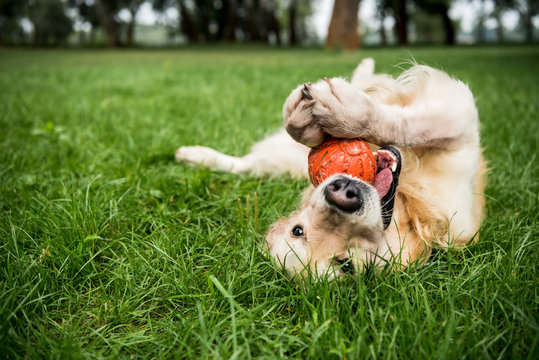
A tired body helps. A challenged mind transforms behavior.
Mental Exercise Matters
Boredom fuels problem behaviors. Chewing. Digging. Barking. Studies from animal welfare organizations show enrichment lowers stress hormones.
Mental work drains excess energy.
Simple Ways to Add Enrichment at Home
Rotate toys weekly. Use food puzzles. Hide treats for scent games. These activities tap natural instincts.
Stimulation does not require expensive tools.
Training Builds Confidence
Training refreshers reinforce communication. Sit, stay, recall. Each success boosts confidence. You gain control. Your pet gains clarity.
Resolution #5: Establish Better Grooming and Hygiene Habits
Grooming protects health. Appearance comes second.
Grooming Serves as Preventive Care
Brushing removes debris and distributes oils. Bathing reveals skin issues. Nail trims protect joints. Regular grooming catches lumps and parasites early.
Your hands become diagnostic tools.
Create a Predictable Grooming Routine
Consistency reduces stress. Choose frequency based on coat type and activity level. Pair grooming with calm praise.
Predictability builds tolerance.
Know When Professional Grooming Is Necessary
Certain coats mat without expert care. Some dogs resist handling. Safety matters.
Professional support prevents injury.
Resolution #6: Build a More Consistent Daily Routine
Routine anchors behavior and emotion.
Consistency Reduces Anxiety
Predictable days create security. Feeding. Activity. Rest. The Animal Humane Society emphasizes routine as a cornerstone of behavioral health.
Structure lowers stress.
Structure Days Around Your Pet’s Needs
Balance work and care. Morning exercise. Midday rest. Evening interaction. Adjust without abandoning consistency.
Your schedule shapes theirs.
Adjust Routines as Your Pet Ages
Puppies mature. Seniors slow down. Arthritis changes needs. Reassess routines each year.
Adaptation shows care.
Resolution #7: Plan Reliable Care for Busy Days and Travel
Good planning protects your pet when life shifts.
Backup Care Reflects Responsibility
Emergencies happen. Travel appears. Without a plan, pets experience disruption. Reliable care preserves routine.
Preparation prevents stress.
Choose Care That Supports Structure
Look for environments that maintain schedules and supervision. Familiar rhythms reduce anxiety during separation.
Continuity matters.
Professional Care Supports Well-Being
Trained staff recognize behavioral cues. Structured play reduces risk. Rest periods protect energy.
Quality care extends your standards.
How to Stick to Your Pet Resolutions All Year
Motivation fades. Systems remain.
Set Realistic Goals
Choose habits you can maintain. Daily walks beat sporadic intensity. Consistency builds momentum.
Progress beats perfection.
Track and Adjust
Watch weight. Energy. Mood. Pets communicate through behavior. Adjust routines as seasons change.
Flexibility keeps habits alive.
Make Resolutions a Lifestyle
Resolutions fail when tied to dates. Habits succeed when tied to values. Care becomes identity.
A Better Year Starts With Intentional Care
Your pet does not measure time by calendars. Your pet measures it by consistency. Meals on time. Walks you keep. Care you show.
When you commit to shared resolutions, you build trust. You protect health. You strengthen a bond that shapes every day.
If your year includes travel, long workdays, or schedule changes, reliable care supports the routines you work to build. Furry Pet Resort provides structured daycare and boarding designed around consistency, supervision, and comfort, so your pet keeps thriving when you need support.